



Russia’s Federal Service for Veterinary and Phytosanitary Surveillance (Rosselkhoznadzor) has announced temporary restrictions on the import of several categories of fruit from Armenia, effective June 2, 2026.
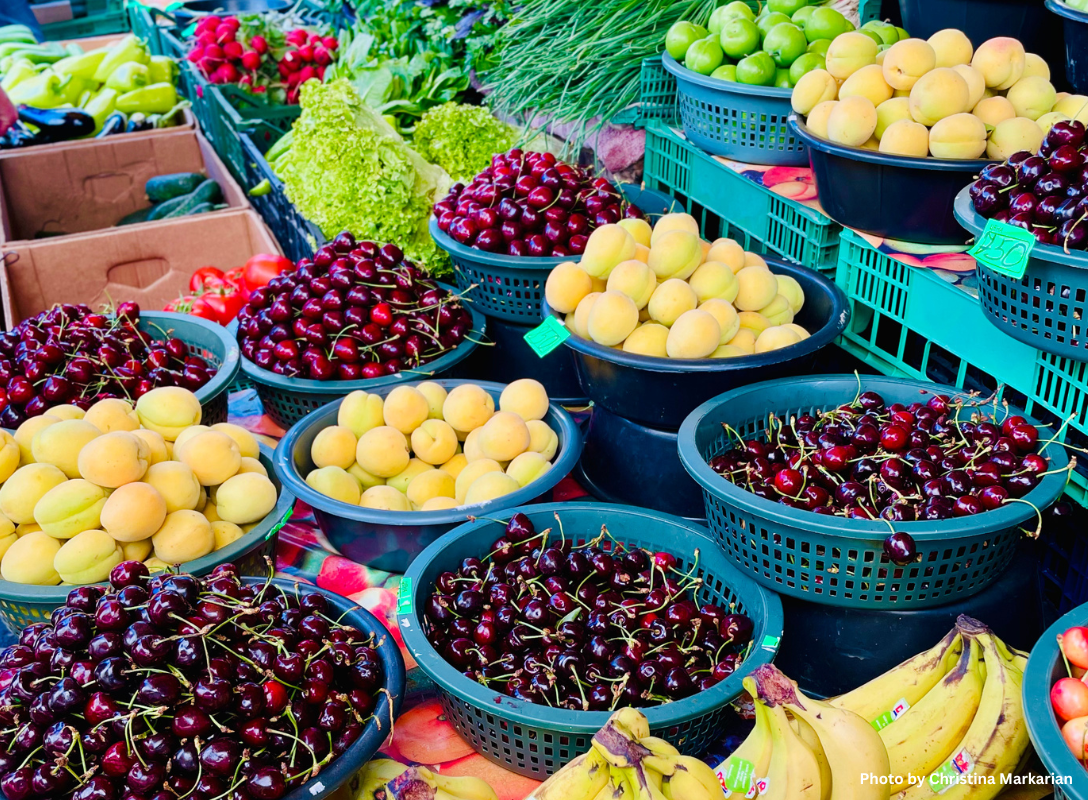
According to the agency, the restrictions apply to stone fruits, including cherries, sour cherries, apricots, plums, peaches and nectarines, as well as fresh grapes originating from and shipped from Armenia. The measure also covers the transit of the affected products to other member states of the Eurasian Economic Union (EAEU) until a mechanism ensuring the safety of exported produce is developed.
Rosselkhoznadzor said it has recorded an increasing number of violations involving shipments of Armenian fruit to Russia. The agency noted that it had repeatedly informed the Armenian side about breaches related to the detection of quarantine pests and other phytosanitary concerns in exported products.
The Russian regulator linked the situation to Armenia’s institutional reforms, noting that the country’s Ministry of Agriculture was abolished and its functions transferred to the Ministry of Economy.
“The increasing number of detections indicates the consequences of the liquidation of Armenia’s Ministry of Agriculture,” Rosselkhoznadzor said in a statement. The agency argued that the Armenian Ministry of Economy may be facing structural challenges in carrying out the responsibilities assigned to it following the reform.
Rosselkhoznadzor further stated that agricultural products supplied from Armenia have recently failed to meet the phytosanitary requirements of both Russia and the EAEU.
According to the agency, the current situation poses risks to the phytosanitary security of Russia and other EAEU member states and could affect government support programs aimed at developing commercial horticulture, fruit production and viticulture in Russia.
The restrictions will remain in force until additional measures are agreed upon to ensure compliance with phytosanitary standards for exported Armenian produce.