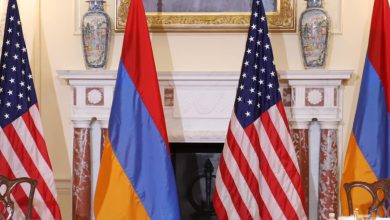




The European Union and Armenia have adopted a new strategic agenda aimed at deepening cooperation across key sectors, EU High Representative for Foreign Affairs and Security Policy Kaja Kallas announced in Brussels following the meeting of the EU-Armenia Partnership Council.
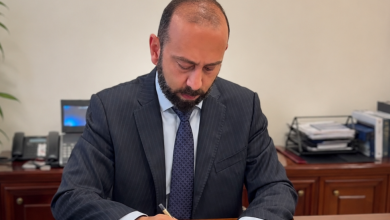
Speaking alongside Armenian Foreign Minister Ararat Mirzoyan, Kallas said EU-Armenia cooperation “is only getting better with age,” highlighting progress in areas ranging from democratic reforms to security and economic modernization.
According to Kallas, the newly adopted agenda reflects “a shared ambition” to expand joint work in strengthening the rule of law, modernizing Armenia’s economy, and advancing discussions on visa liberalization. Security cooperation will also feature prominently.
Kallas confirmed that Mirzoyan will return to Brussels in December to meet with the 27 EU foreign ministers. That meeting will focus on bolstering Armenia’s resilience and ensuring electoral integrity ahead of the country’s upcoming parliamentary elections.
“2025 has been a pivotal year for EU-Armenia relations,” she said. “The initialization of the agreements reached between Armenia and Azerbaijan in August was a real breakthrough,” noting that the deal effectively ended years of conflict between the two countries. “You have the European Union’s full support.”
As part of that support, Kallas announced a €15 million package aimed at sustaining peace and strengthening Armenia’s resilience. The funding will cover demining training and equipment as well as regional confidence-building initiatives.
The High Representative also warned of “growing disinformation efforts by Russia and its proxies in Armenia ahead of next year’s elections.” She said the same networks active in destabilization campaigns in Moldova have now been detected in Armenia.
Part of the EU funding will therefore be directed toward strengthening Armenia’s capacity to detect, analyze, and respond to foreign interference.
Kallas stressed that combating disinformation requires “a whole-of-society approach,” praising Armenia’s commitment to active civil society engagement and free, independent media.
“Let us be clear: you are not facing these challenges alone,” she assured. “We are here to provide active support.”