


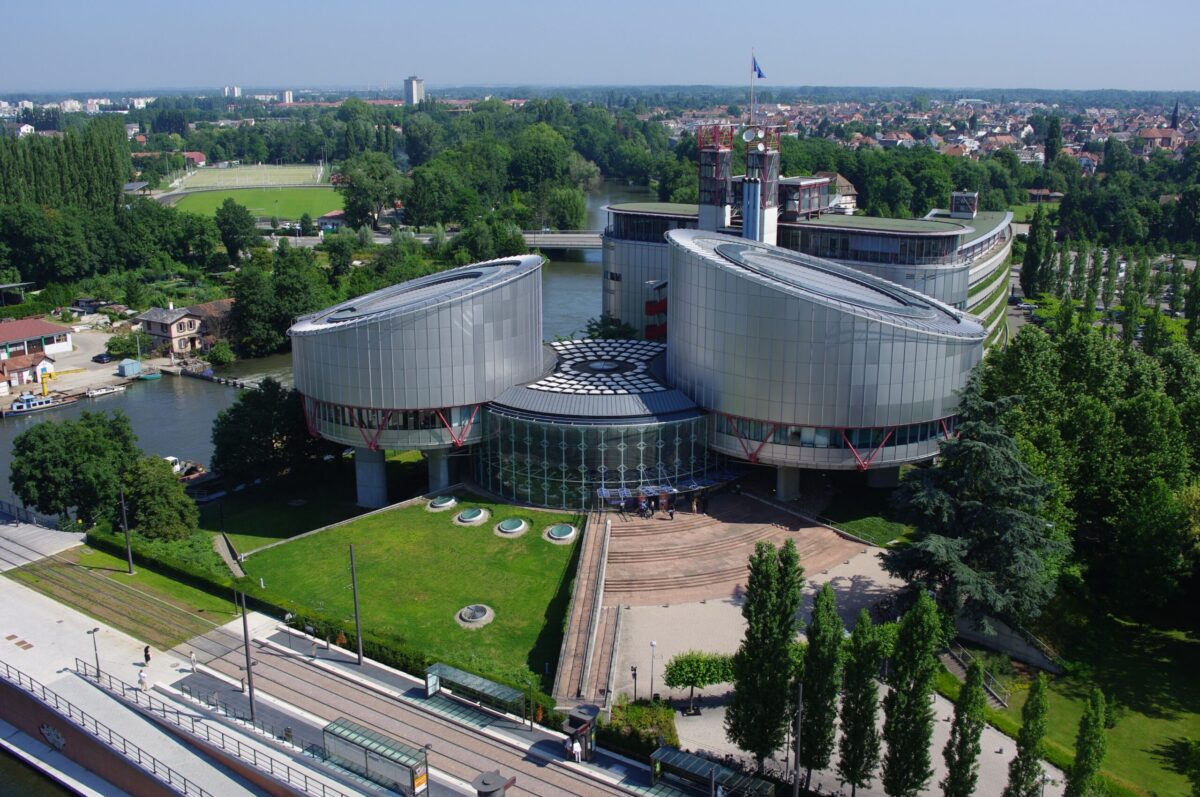
The European Court of Human Rights (ECHR) has found Armenia responsible for multiple deaths during the violent crackdown on mass protests in Yerevan in March 2008, ruling that excessive and indiscriminate police force violated the right to life.
In its judgment in Farmanyan and Others v. Armenia, the Court unanimously held that Article 2 of the European Convention on Human Rights had been violated in respect of seven of the nine victims. The applicants, relatives of eight civilians and one military conscript, argued that their loved ones were killed by police using lethal force, including AK-74 rifles, Makarov pistols, and Soviet-era tear-gas grenades.
The Court found that several of the victims had been fatally shot, while others were killed after being struck by improperly used tear-gas grenades fired at head and waist level. It concluded that the police operation had been “badly planned and executed,” leading to disproportionate use of force against largely unarmed demonstrators.
Nationwide rallies erupted after Armenia’s disputed February 2008 presidential election. On 1 March, police dismantled a protest camp in Yerevan’s Freedom Square, sparking hours of violent clashes near the Myasnikyan monument. Ten people were killed, hundreds injured, and a state of emergency was declared.
While the Court ruled that responsibility for two of the deaths could not be definitively established, it found that the Armenian authorities failed to conduct an effective investigation into all nine cases. Judges criticized the inquiry as politically biased, noting that investigative steps were “few or meaningless,” key evidence was missing, and victims’ families were excluded from proceedings.
The Court also ruled that Armenia had breached Article 38 of the Convention by failing to submit crucial documents, providing only “the bare minimum” despite repeated requests.
Armenia has been ordered to pay each applicant €30,000 in non-pecuniary damages, plus €35,000 jointly to cover legal costs.
The judgment is not yet final. Within three months, either side may request referral to the ECHR’s Grand Chamber for further review.