


Armenian Prime Minister Nikol Pashinyan attended events dedicated to Armenia’s National Day at the Expo 2025 World Exhibition in Osaka, highlighting the country’s innovative projects, cultural heritage, and vision for the future.
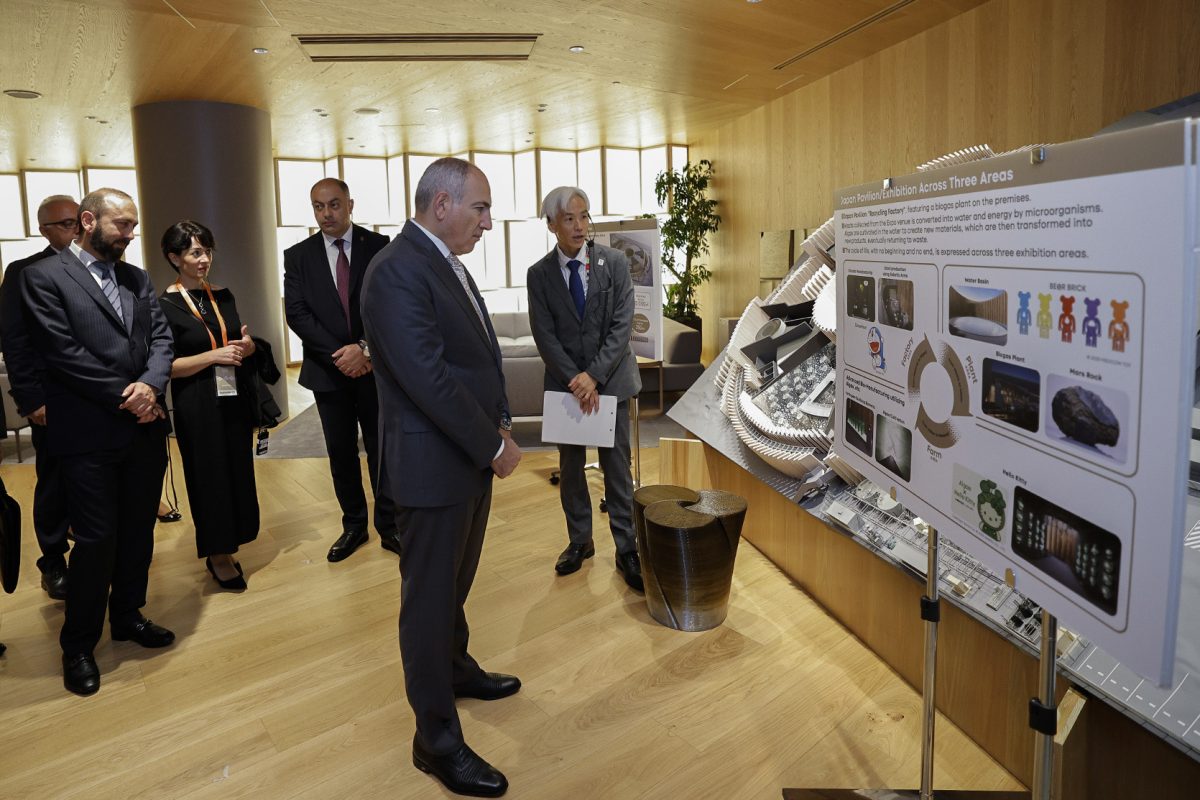
Accompanied by the exhibition’s organizers, Pashinyan toured various pavilions before signing the guest book. He also joined a traditional Japanese tea ceremony together with members of the Armenian delegation and Japan’s Parliamentary Vice-Minister for Foreign Affairs Hisashi Matsumoto.
The Prime Minister then visited Armenia’s national pavilion, titled “Pillars of Today and Tomorrow.” The exhibition showcases Armenia’s leading innovations, cultural legacy, investment opportunities, and advanced educational initiatives. Organizers reported that since the opening of Expo 2025, the Armenian pavilion has already attracted more than one million visitors.
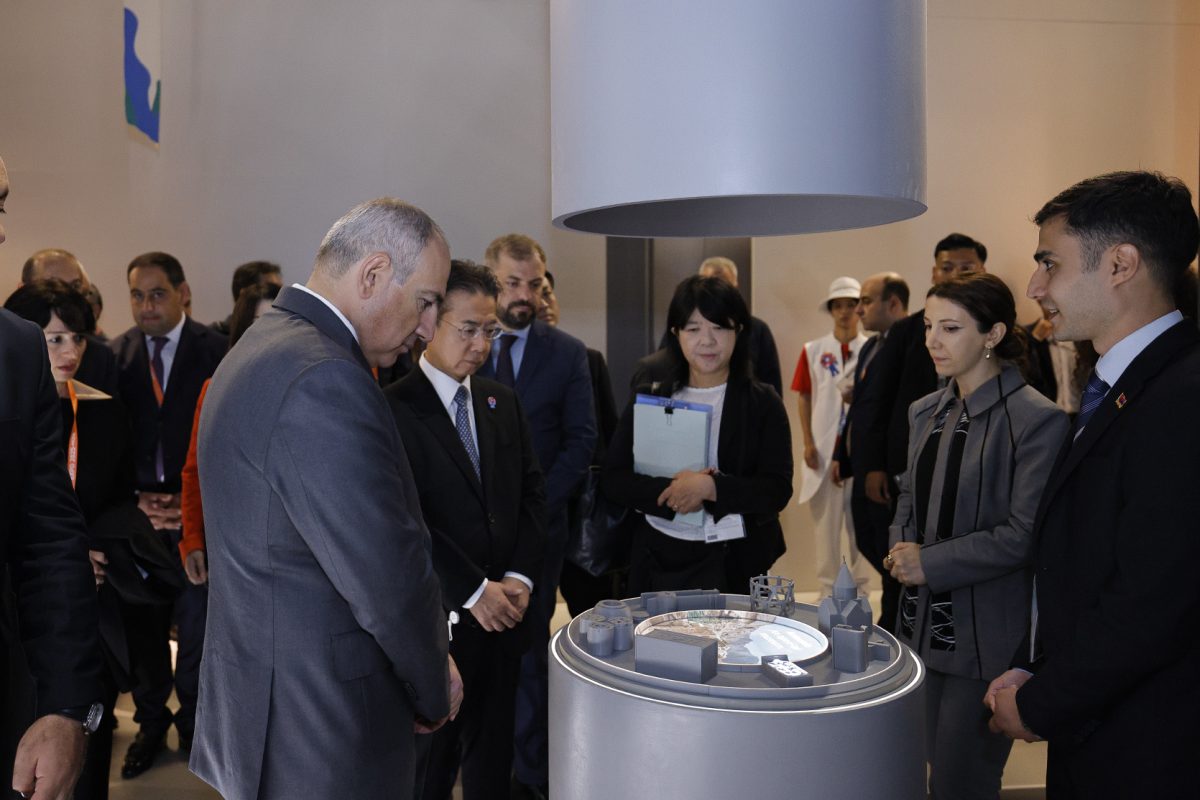
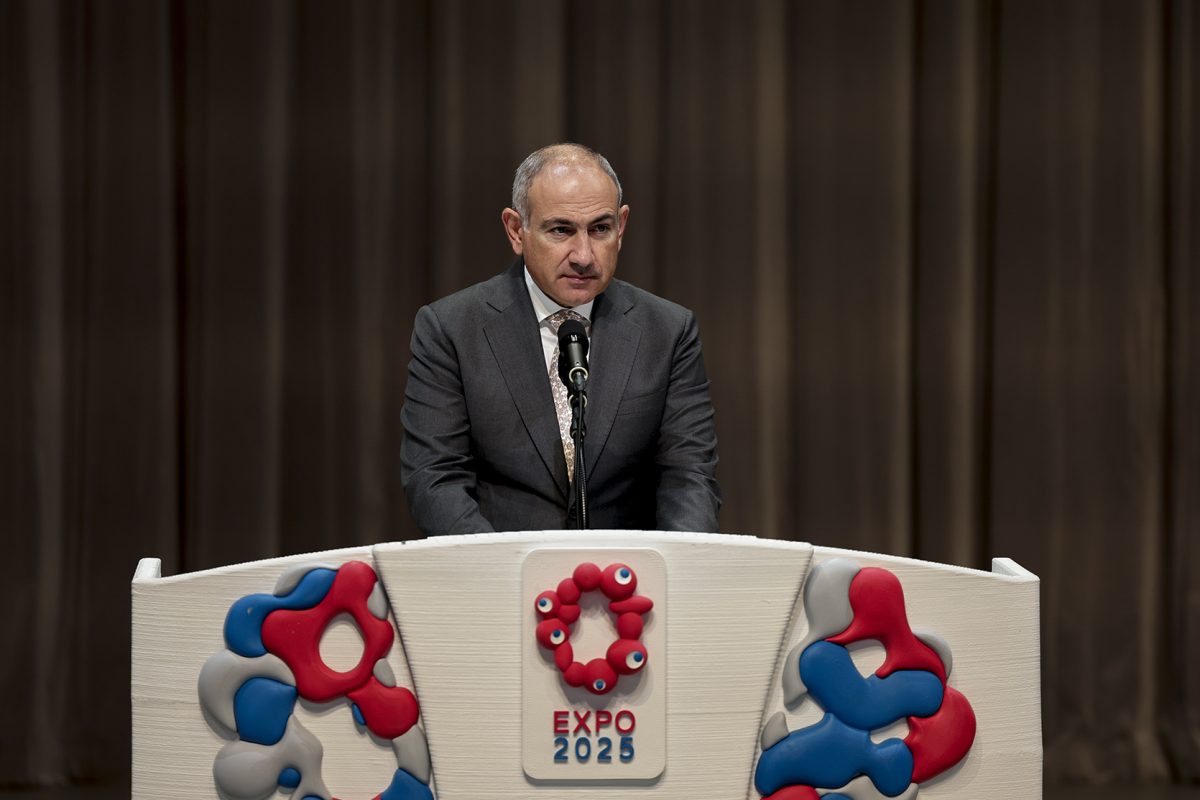
The official opening ceremony of Armenia’s National Day featured the national anthems of Armenia and Japan, followed by remarks from Prime Minister Pashinyan and Shigetoshi Ikeyama, Deputy Commissioner General of Expo 2025.
In his speech, Pashinyan underlined Armenia’s pride in participating in the global exhibition for the fifth time: “World Expos have long been a platform for presenting humanity’s latest achievements and innovations. For Armenia, it is a great honor to be part of this event in Osaka and to share our history, culture, and our vision of a peaceful and prosperous future built on technological advancement and innovative education.”
The Prime Minister highlighted the eight symbolic “pillars” of Armenia’s pavilion. Four represent the present – history, culture, innovation, and regional opportunities – while the remaining four represent the future, including technological progress, forward-looking educational initiatives such as TUMO, COAF, and Armath, as well as national projects like the “Academic City” and the “Engineering City.”
Pashinyan also drew attention to Armenia’s “Crossroads of Peace” vision, which seeks to promote regional connectivity, open borders, and conflict resolution through diplomacy and dialogue.
“This exhibition is a unique opportunity to present Armenia’s economic, cultural, technological, educational, and tourism potential to Japan and the world, paving the way for new partnerships and cooperation,” Pashinyan concluded, inviting guests to visit Armenia’s pavilion.