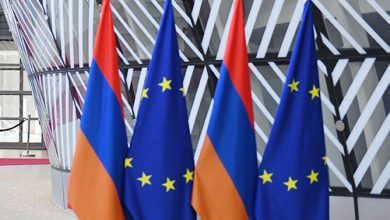



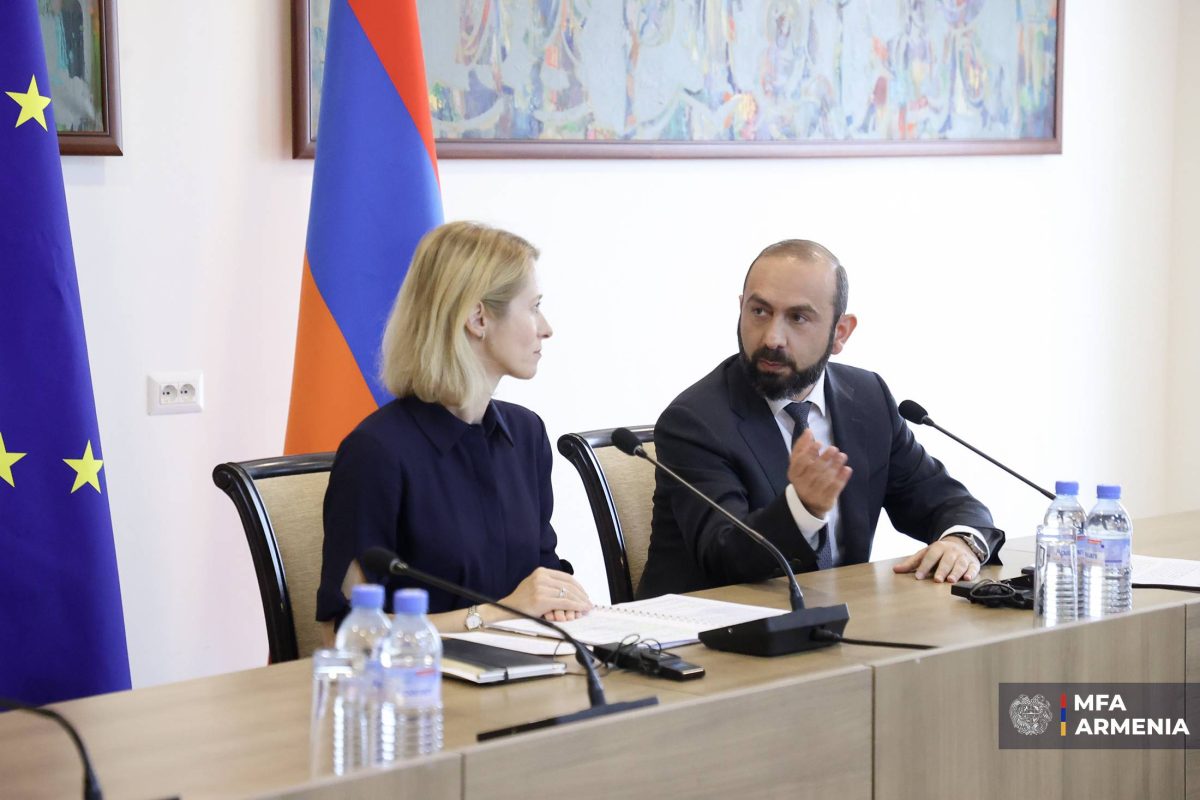
On June 30, Armenia and the European Union held the first session of the Security and Defense Consultations in Yerevan. The meeting featured a broad agenda focused on strengthening cooperation in the areas of security and defense, and included high-level discussions on regional developments and shared challenges.
The consultations were jointly launched by Armenian Foreign Minister Ararat Mirzoyan and the EU High Representative for Foreign Affairs and Security Policy, Kaja Kallas.
During the meeting, the sides discussed prospects for continued collaboration within the framework of the EU’s crisis management operations, the activities of the EU Monitoring Mission in Armenia, and opportunities for future cooperation under the European Peace Facility. Additional topics included potential partnerships between the European Security and Defence College and Armenian educational institutions, as well as other matters of mutual interest.
Key focus was also placed on Armenia’s ongoing security sector reforms, as well as potential joint programs to counter hybrid threats and disinformation.
In his opening speech, Minister Ararat Mirzoyan emphasized the strategic significance of the consultations, noting Armenia’s shifting approach to security cooperation:
“This milestone underscores Armenia’s unwavering commitment to deepening our partnership with the European Union and is a direct reflection of our shared commitment to peace, security and stability, and the fundamental values of democracy, the rule of law and human rights,” he stated.
Minister Mirzoyan highlighted that Armenia is decisively moving away from a single-source dependence in defense and security, underscoring the EU’s growing role in Armenia’s strategic diversification efforts. He also pointed to the positive impact of the EU Monitoring Mission and the assistance provided through the European Peace Facility.
A key outcome of the meeting was the signing of an agreement enabling Armenia’s participation in EU Common Security and Defence Policy (CSDP) missions, a step seen as a boost for institutional interoperability and closer ties between Armenian and EU defense sectors.
Mirzoyan also underscored the importance of fighting disinformation and enhancing resilience against foreign information manipulation and hybrid threats, proposing deeper cooperation on strategic communication, media literacy, and cybersecurity.
“These malign activities pose a direct threat to our democratic society, resilience and sovereignty,” Mirzoyan noted, reiterating Armenia’s readiness to align with EU efforts and build institutional capacity in this field.
The Armenian Foreign Minister concluded by thanking the EU for its ongoing engagement, expressing confidence that the consultations would open a new, strategic chapter in Armenia–EU defense and security cooperation.